
Planning Tips
·September 29, 2026
·15 min read
The Ultimate 12-Month Wedding Planning Timeline: A Month-by-Month Checklist
Just engaged and not sure where to start? This month-by-month wedding planning timeline shows what to tackle and when, from your budget and venue to your final wedding-week details.
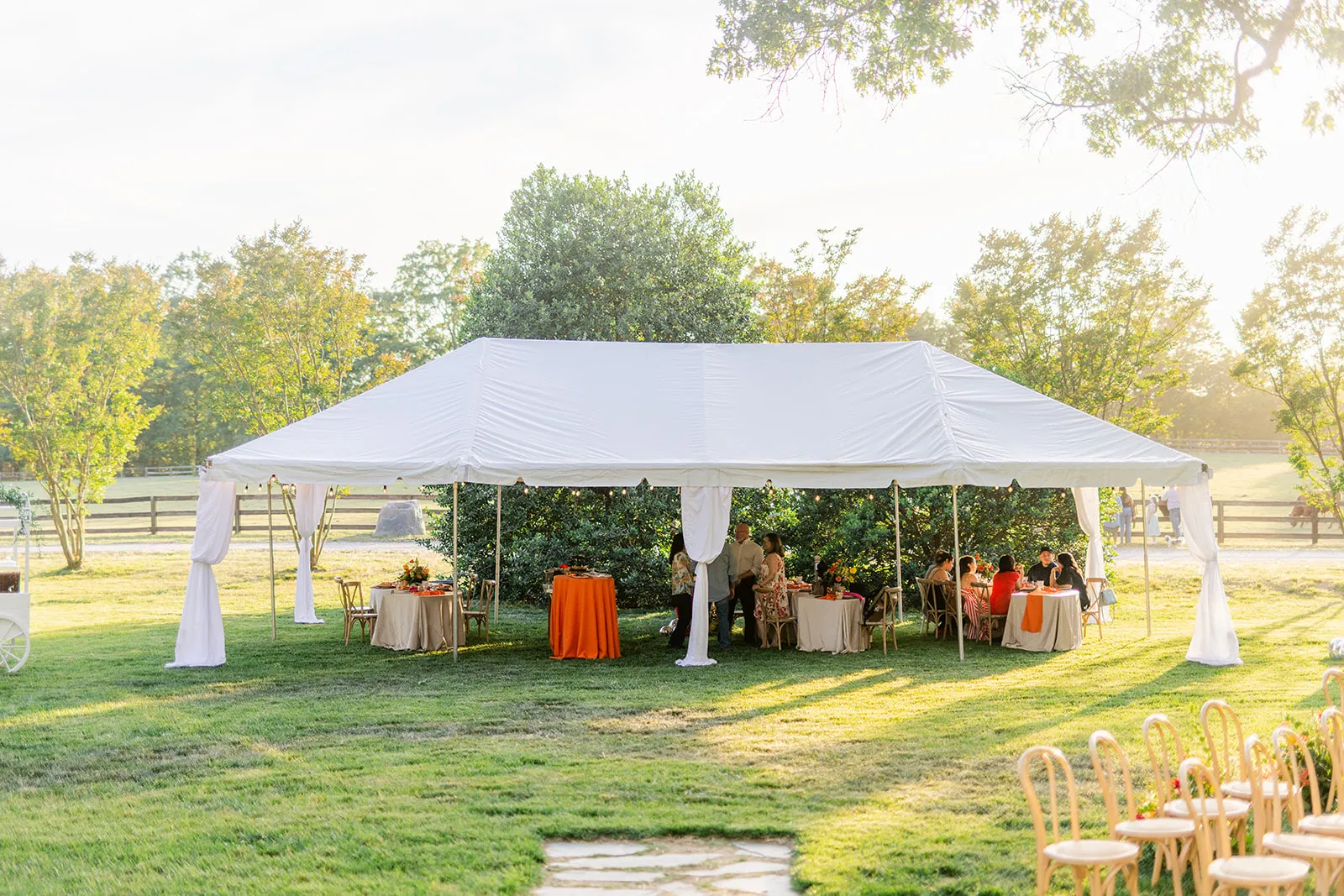
Photo by Brennan Rieder Photography
Getting engaged is exciting. Suddenly, you're dreaming about your venue, saving inspiration on Pinterest, and imagining what it will feel like to walk down the aisle. And then comes the question: Where do you actually start?
If you're planning a wedding in Raleigh, North Carolina, having a clear wedding planning timeline can make the entire process feel much more manageable. From booking your venue and choosing your vendors to finalizing your guest list and creating your wedding day timeline, knowing what to tackle and when helps you stay organized without feeling like wedding planning has become a second job.
Whether you're planning a classic Raleigh wedding, a garden ceremony in the Triangle, or a celebration somewhere else in North Carolina, this 12-month wedding planning timeline will help you understand what to prioritize, month by month.
Already working with a shorter timeline? Don't worry. You can still use this wedding checklist to identify your priorities and work backward from your wedding date.
Your 12-Month Wedding Planning Checklist at a Glance
Before diving into the details, here's a quick look at what to focus on throughout your engagement.
- 12 months before: Set your budget, establish your priorities, and begin researching venues.
- 11 months before: Book your venue and wedding planner.
- 10 months before: Book your photographer, caterer, and other priority vendors.
- 9 months before: Choose your wedding attire and begin your design direction.
- 8 months before: Book remaining vendors and send save-the-dates.
- 7 months before: Refine your design, rentals, and guest experience.
- 6 months before: Review your budget, accommodations, and ceremony plans.
- 5 months before: Finalize attire details and begin planning your ceremony.
- 4 months before: Finalize invitations and confirm important vendor details.
- 3 months before: Finalize your guest experience, timeline, and wedding details.
- 2 months before: Track RSVPs, confirm logistics, and finalize your seating plan.
- 1 month before: Confirm vendors, finalize your timeline, and prepare for the celebration.
Every wedding is different, so think of this as a flexible framework rather than a strict set of deadlines. Your venue, guest count, season, and vendor availability will all influence your planning schedule.
12 Months Before Your Wedding: Establish Your Foundation
The first few months are about setting the direction for your wedding. Before booking everything you see on Pinterest, take time to decide what matters most to you as a couple.
1. Establish your wedding budget
Start with an overall budget that feels comfortable for you. Consider who is contributing, what you're willing to spend, and which elements matter most.
Your budget should account for more than the obvious expenses. Remember to include:
- Venue rental and catering
- Photography and videography
- Wedding planning
- Florals, rentals, and design
- Attire, alterations, and beauty services
- Music and entertainment
- Stationery, invitations, and postage
- Transportation and accommodations
- Taxes, gratuities, and service fees
- A contingency fund for unexpected expenses
Raleigh wedding planning tip: When comparing venues, look beyond the rental fee. Ask what's included, whether tables and chairs are provided, and whether you need to bring in catering, rentals, or additional staff. Two venues with similar rental prices can have very different overall costs.
2. Determine your guest count
You don't need a finalized guest list yet, but you should have a realistic estimate.
Your guest count will influence your venue options, catering budget, rental needs, and overall guest experience.
Start with a preliminary list and identify whether you're envisioning an intimate gathering or a larger celebration.
3. Choose your wedding date or season
If you're flexible, consider which season best suits your vision.
Spring and fall are popular times for weddings in the Raleigh area, particularly for outdoor celebrations. Summer can bring significant heat and humidity, while winter weddings may offer a cozy atmosphere and greater flexibility with certain venues.
Consider the experience you want, the weather, your budget, and the availability of your preferred venue.
4. Start researching Raleigh wedding venues
Begin exploring venues that fit your guest count, budget, and overall aesthetic.
As you research wedding venues in Raleigh and the surrounding Triangle, ask about:
- Indoor and outdoor ceremony options
- Rain plans and backup spaces
- Guest capacity and accessibility
- Parking and transportation
- Catering requirements and restrictions
- Setup and breakdown access
- Included furniture, rentals, and amenities
- Event end times and noise restrictions
Don't book a venue based on the photos alone. Make sure the space works for your actual wedding plans.
11 Months Before Your Wedding: Book Your Venue and Planner
Once you've established your foundation, it's time to secure the major pieces.
1. Book your wedding venue
After touring your favorite spaces, compare the logistics, costs, and overall experience before making your decision.
Read your contract carefully, including payment deadlines, cancellation terms, and any restrictions on vendors or decor.
Once your date is secured, you can begin booking the vendors who will help bring your vision to life.
2. Hire your wedding planner
A wedding planner can help you navigate decisions, manage logistics, communicate with vendors, and keep your plans moving forward.
If you're looking for full-service wedding planning, bringing your planner on early allows them to help with venue selection, vendor recommendations, budget management, and the overall direction of your celebration.
If you've already started planning, partial planning may be a better fit. If you've handled most of the details yourself, wedding management closer to the wedding date can help with final logistics and wedding-day execution.
3. Create your wedding planning workspace
Keep everything in one place. This can be a digital planning platform, a spreadsheet, or a shared folder.
Organize your:
- Budget and payment schedule
- Guest list and addresses
- Vendor contacts and contracts
- Inspiration and design ideas
- Planning checklist
- Important deadlines
A central workspace makes it easier to stay organized and ensures you and your partner are working from the same information.
10 Months Before Your Wedding: Secure Your Priority Vendors
Your venue is booked. Now it's time to assemble the team that will bring your wedding to life.
1. Book your photographer and videographer
If photography is a high priority, don't wait until the last minute to inquire. Review full galleries, not just social media highlights, and look for a style that feels right to you.
Ask about coverage hours, second photographers, delivery timelines, and what happens if your photographer is unable to attend.
2. Book your caterer and entertainment
If your venue requires outside catering, start this process early. Ask about menu options, tastings, staffing, dietary accommodations, and service fees.
For entertainment, consider whether a DJ, live band, or combination of both fits your celebration. Discuss music preferences, announcements, special dances, and the overall atmosphere you want to create.
3. Secure your remaining high-priority vendors
Depending on your wedding plans, this may include:
- Florist
- Hair and makeup artist
- Officiant
- Wedding cake or dessert vendor
- Transportation
- Rental company
Some vendors book well in advance, especially for popular spring and fall dates in the Triangle. Reach out early if you have your heart set on a particular professional.
9 Months Before Your Wedding: Begin Bringing Your Vision to Life
This is where your inspiration starts becoming a cohesive plan.
1. Choose your wedding attire
Begin shopping for your wedding dress, suit, or other wedding-day attire. Build in time for ordering, shipping, fittings, and alterations.
If you're shopping for a wedding dress, ask about the expected delivery date and recommended alteration schedule before placing your order.
2. Establish your wedding design
Start identifying the elements that will shape your celebration.
Think about your color palette, florals, linens, lighting, stationery, and overall atmosphere. You don't need to choose every detail yet, but having a clear direction will help you make cohesive decisions.
Create a wedding mood board that includes:
- Color palette
- Floral inspiration
- Ceremony design
- Reception tablescapes
- Lighting and candles
- Stationery and signage
- Attire and accessories
The goal is to create a look that feels connected, not to recreate every image you save.
3. Plan your ceremony
Begin discussing the ceremony structure with your partner and officiant.
Consider readings, music, personal vows, traditions, and any meaningful elements you want to include. If you're getting married in a religious setting, ask about premarital requirements and ceremony guidelines.
8 Months Before Your Wedding: Save the Dates and Guest Logistics
With your venue and key vendors secured, turn your attention to your guests.
1. Send save-the-dates
Save-the-dates are particularly helpful if you're planning a destination wedding, hosting guests from out of town, or getting married during a busy holiday weekend.
Include your names, wedding date, location, and wedding website if available.
2. Create your wedding website
Your website can serve as the central source of information for your guests.
Include:
- Wedding date and venue
- Ceremony and reception details
- Travel and accommodation information
- Parking instructions
- Dress code
- RSVP information
- Wedding weekend events
For a Raleigh wedding, include practical travel details for guests unfamiliar with the area. Clear parking instructions and realistic transportation guidance can make arrival much easier.
3. Research accommodations
If many guests are traveling, look into nearby hotels and ask about room blocks, booking deadlines, and transportation options.
Choose accommodations that make sense for your venue and the overall guest experience.
7 Months Before Your Wedding: Refine the Details
This is a good time to move from broad inspiration to more specific decisions.
1. Finalize your floral direction and rentals
Work with your florist and rental team to discuss the overall look, quantities, and estimated costs.
Consider what you actually need for the space. A few thoughtfully placed arrangements, beautiful linens, and intentional lighting can make a meaningful impact without adding unnecessary items to your budget.
2. Plan your reception layout
Think about how guests will move through the space.
Where will the bar be? Is there room for dancing? Will guests have a clear view of the speeches? Does the layout allow comfortable access to the buffet, restrooms, and exits?
Your floor plan should balance the look of the room with how it will function throughout the evening.
3. Start thinking about personal touches
Consider the details that will make your wedding feel like the two of you.
This might be a signature drink, a favorite dessert, a meaningful reading, a family tradition, or a thoughtful late-night snack.
You don't need to add something to every corner. Choose the details that have meaning and will genuinely contribute to the experience.
6 Months Before Your Wedding: Review Your Plans
At the halfway point, take a step back and review your budget, bookings, and remaining decisions.
1. Review your budget
Update your spreadsheet with actual costs, deposits paid, and upcoming payments.
Check for expenses you may have overlooked, including alterations, vendor meals, rental delivery fees, and gratuities where applicable.
If you're over budget, identify what can be simplified before making additional purchases.
2. Confirm your ceremony and reception plans
Check in with your venue and key vendors about any decisions that need to be made now.
For outdoor weddings in Raleigh, make sure you understand your venue's weather contingency plan. Ask when the decision to move indoors must be made and who is responsible for communicating that decision.
3. Plan your wedding weekend
If you're hosting a rehearsal dinner, welcome party, or farewell brunch, begin confirming the details.
Make sure these events fit your budget and don't leave you feeling overwhelmed during the final days before your wedding.
4. Schedule your hair and makeup trial
Coordinate your trial with your beauty team and bring inspiration photos. If possible, schedule it early enough to make any adjustments before the wedding.
5 Months Before Your Wedding: Finalize the Personal Details
Now is the time to make decisions that will help your wedding feel complete.
1. Finalize wedding attire and accessories
Continue fittings and confirm your accessories, shoes, and any attire needed for your wedding party.
Break in your shoes before the wedding day and consider how comfortable they'll be throughout the celebration.
2. Plan your ceremony music and readings
Confirm your ceremony structure, processional order, readings, and music selections.
If you're incorporating special traditions, communicate those details with your officiant and planner.
3. Start drafting your reception details
Begin outlining your reception order, including:
- Grand entrance
- First dance
- Welcome remarks
- Dinner service
- Toasts
- Parent dances
- Cake cutting
- Open dancing
You can adjust the exact timing later, but having a general flow helps your vendors understand the experience you're creating.
4 Months Before Your Wedding: Invitations and Vendor Check-Ins
With the major decisions in place, start confirming the details that will bring everything together.
1. Finalize your wedding invitations
Wedding invitations are commonly mailed about six to eight weeks before the wedding, although destination weddings and celebrations with extensive travel may require more time.
At four months out, finalize your invitation design, wording, quantities, and mailing plan.
Build your RSVP deadline around the time your caterer and venue need the final guest count.
2. Confirm vendor requirements
Review your contracts and identify any upcoming deadlines.
Ask vendors about final payment dates, arrival times, setup requirements, and information they still need from you.
3. Finalize your wedding day photo priorities
Create a photo list with the family groupings and meaningful moments you don't want missed.
Discuss your priorities with your photographer, including getting-ready photos, first looks, ceremony moments, portraits, and reception events.
A clear list helps everyone understand what's important without turning the entire day into a photoshoot.
3 Months Before Your Wedding: Build Your Wedding Day Timeline
This is one of the most important stages of planning.
Your wedding day timeline connects all the moving pieces, from vendor arrivals and getting ready to the ceremony, reception, and final send-off.
1. Create a preliminary wedding day timeline
Start by confirming your ceremony time, venue access, photography coverage, and reception end time.
Then work backward to establish when everything needs to happen.
Include:
- Vendor arrival and setup
- Hair and makeup
- Getting dressed
- First look and portraits, if applicable
- Ceremony lineup
- Guest arrival
- Ceremony
- Cocktail hour
- Reception entrance and dinner
- Toasts and special dances
- Open dancing
- Last dance and send-off
- Breakdown and venue departure
Build in buffer time. Hair and makeup can run behind, family photos may take longer than expected, and guests rarely move exactly on schedule.
2. Confirm your rentals and design details
Finalize your tabletop, linens, chairs, lighting, and any additional decor.
Make sure your design decisions align with the venue's rules and setup window.
3. Plan for Raleigh weather
North Carolina weather can be unpredictable, even during seasons that typically offer comfortable outdoor conditions.
For an outdoor ceremony, confirm your rain plan, shade options, guest comfort measures, and the deadline for making weather-related decisions.
If your wedding is during the summer, consider heat and humidity when planning outdoor photos and guest arrival. For winter weddings, think about daylight, temperatures, and how guests will move between spaces.
A thoughtful backup plan allows you to enjoy the day without having to make major decisions at the last minute.
2 Months Before Your Wedding: Track RSVPs and Confirm Logistics
The final stretch is approaching. Focus on guest information, vendor communication, and the details that need to be finalized.
1. Track your RSVPs
Keep your guest list updated as responses arrive. Follow up with guests who haven't responded by your deadline.
Your final guest count will affect catering, seating, rentals, and other important logistics.
2. Create your seating plan
Once you have a clearer picture of attendance, begin organizing your seating chart.
Consider family dynamics, accessibility, and who will enjoy sitting together. If you're having assigned seating, make sure the table layout accommodates your final guest count.
3. Confirm transportation and accommodations
Double-check transportation schedules, hotel information, and any shuttle arrangements.
Share important details with your wedding party and guests so everyone knows where to be and when.
4. Review your vendor details
Make sure every vendor has the information they need, including venue access, setup times, contact details, and any special instructions.
If you have a planner, this is a good time to begin transitioning communication and logistics so you aren't the person answering every vendor question during wedding week.
1 Month Before Your Wedding: Finalize and Hand Off
By this point, your focus should shift from making big decisions to confirming the plans you've already made.
1. Finalize your guest count and seating chart
Submit your final guest count according to your venue and catering contracts.
Complete your seating chart, place cards, and any printed materials that depend on attendance.
2. Confirm your wedding day timeline
Review the timeline with your planner and vendors. Confirm arrival times, setup windows, ceremony cues, special announcements, and breakdown requirements.
Make sure everyone knows who to contact on the wedding day.
3. Prepare your personal items
Gather the items you'll need for the celebration, including:
- Wedding attire and accessories
- Rings and vow books
- Marriage license
- Welcome gifts or personal details
- Cake topper or specialty decor
- Emergency kit
- Tips or final payments, if applicable
Designate someone you trust to handle personal items that shouldn't be left behind at the venue.
4. Delegate the final details
Your wedding day should not be spent answering vendor calls, moving chairs, or tracking down missing items.
Assign personal responsibilities to trusted people where appropriate, and make sure your planner or designated point of contact has the information needed to manage the event.
Then give yourself permission to step back.
Wedding Week: Enjoy the Moments You've Been Planning
The final week is about taking care of yourself, confirming the essentials, and allowing your team to do their jobs.
- Attend your final appointments and fittings.
- Confirm the rehearsal time and location.
- Pack everything you'll need.
- Check the weather and review the venue's contingency plan.
- Share the final timeline and contact list with the appropriate people.
- Get plenty of rest and stay hydrated.
- Make time to enjoy your partner, family, and friends.
If you're getting married in Raleigh, remember to account for local traffic and travel time when planning arrivals, particularly if your ceremony and reception are in different locations.
Most importantly, don't feel like you need to fill every remaining moment with wedding tasks. The celebration you've been planning is almost here.
What If You're Planning a Wedding in Less Than 12 Months?
A 12-month wedding planning timeline is a helpful starting point, but it isn't a requirement.
If your wedding is six, nine, or even three months away, focus on the decisions that affect everything else.
Start with your venue, budget, guest count, planner, and the vendors that are essential to your celebration. Then work through the remaining details based on your date, availability, and priorities.
You may need to make decisions more quickly or be flexible with your first-choice vendors, but a shorter engagement can still be thoughtfully planned.
The key is to prioritize what needs to happen first instead of trying to complete every wedding task at once.
Your Wedding Planning Timeline Is a Guide, Not a Rulebook
Wedding planning can quickly become overwhelming when every checklist makes it seem like there are hundreds of things you should be doing immediately.
You don't have to make every decision at once.
Use your 12-month wedding planning timeline as a guide. Prioritize the decisions that affect everything else, give yourself room to change your mind, and remember that not every detail you see online needs to make its way into your wedding.
The goal isn't to plan the wedding that looks perfect on Pinterest.
It's to create a celebration that feels like you and gives you the chance to be fully present with the people you love.
Whether you're planning a Raleigh wedding, a Triangle celebration, or a destination wedding elsewhere in North Carolina, having a clear timeline can help you move through the planning process with more intention and a lot less guesswork.
Ready to start planning?
Inquire NowInquire
Tell us what you're imagining.
We take on a limited number of events each year, so reaching out early is the best way to check availability. Share a few details and Shelsie will be in touch with next steps.
What happens next
Share your plans
Tell us about your celebration using this form.
Hear from Shelsie
A personal reply within two business days.
Talk it through
We schedule a complimentary call to discuss next steps.